T-Posts vs. Wood Posts: What’s the Difference and Which Do You Need?

When planning any fencing project, whether temporary or permanent, one of the first decisions to make is whether you need T-posts, wood posts, or a mix of both. Each post type has its own advantages, and the right choice depends on your animals, your terrain, and your long-term goals. Below is a clear breakdown to help you understand the differences, common uses, and best spacing practices so you can build a strong and dependable fence.

Key Takeaways

  • T-posts are the best option for fast, flexible, and movable fencing needs.
  • Wood posts are typically chosen for long-term and/or high-pressure areas in livestock fencing.
  • A mix of t-posts and wood posts provide a balanced, cost-effective, and sturdy fencing solution.

T-Posts: Affordable, Fast, and Flexible

T-posts are one of the most popular options for quick, effective fencing. They’re driven into the ground with minimal equipment and work for both temporary and permanent fencing needs.
 
Benefits of T-Posts
  • Quick to install with a T-post driver
  • More affordable than wood posts
  • Ideal for temporary fencing that needs to move with livestock
  • Durable steel construction that withstands weather
  • Compatible with cattle panels and One Man Fencing T-post Panel Connectors
 
Common Uses
  • Rotational grazing setups
  • Garden fencing and trellises
  • Temporary livestock pens
  • Property line marking
  • Deer fencing
 
T-posts are incredibly beneficial when flexibility and speed are important.
 

Wood Posts: Strong, Long-Lasting, and Traditional

Wood posts are known for their strength and longevity. They provide a solid foundation and are ideal when you want a fence to stay put for years.
 
Benefits of Wood Posts
  • Extremely sturdy for permanent fencing
  • Resists bending under livestock pressure
  • Great for corners, gates, and anchor points
  • Natural appearance works well for homesteads and ranch aesthetics
  • Compatible with cattle panels and One Man Fencing wood post Panel Connectors
 
Common Uses
  • Permanent cattle or horse fencing
  • Corner bracing for panel systems
  • Gate posts
  • Garden enclosures
  • High-pressure livestock areas
 
Wood posts are great when strength and stability are what you need
 

Mixing T-Posts and Wood Posts: The Best of Both Worlds

Most farms and homesteads use both. This combination creates a secure fence without overspending.
 
Why Mix Them?
  • Use wood posts at corners and gates for stability
  • Use T-posts in straight runs to save money
  • Works perfectly with cattle panels
  • Compatible with both One Man Fencing wood-post and T-post connectors
  • Reduces total installation time
 
This hybrid approach provides strength where it’s needed and savings where it’s smart.
 

Recommended Post Spacing for Cattle Panels

For a strong, dependable line of panels:
  • 8 feet apart is the most common spacing
  • 10–12 feet apart works in low-pressure areas
  • 6 feet apart is recommended for goats, pigs, or areas with heavy livestock pressure


Using One Man Fencing Livestock Panel Connectors ensures that your panels stay tight and secure, even at wider spacing. Plus, only 2 connectors are needed per post (reducing the need for lots of zip ties)

Which Should You Choose?

  • Choose T-posts for fast, flexible, movable fencing.
  • Choose wood posts for long-term, high-pressure areas.
  • Choose both for a balanced, cost-effective, sturdy setup.
 
When paired with One Man Fencing Connectors, either option becomes easier, stronger, and more efficient, giving you a dependable fence that works as hard as you do.

Honey Hollow Homestead

PRODUCT REVIEW

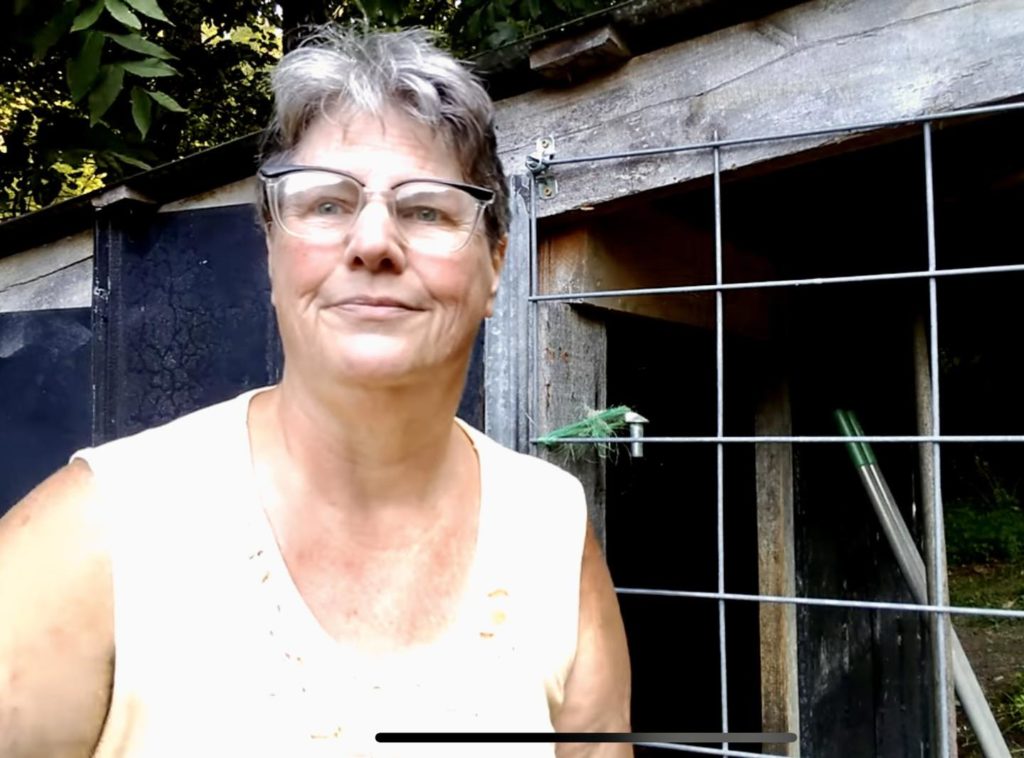
Watch the video testimonial from Honey Hollow Homestead! She used our One Man Fencing Panel Connectors to secure her fence for her strong-willed goat and other livestock.
Watch the YouTube video.